
Someone enquires, nobody replies for two days, and by then they have booked elsewhere. Speed closes more deals than the perfect pitch ever will.
Someone enquires, nobody replies for two days, and by then they have booked elsewhere. Speed closes more deals than the perfect pitch ever will.
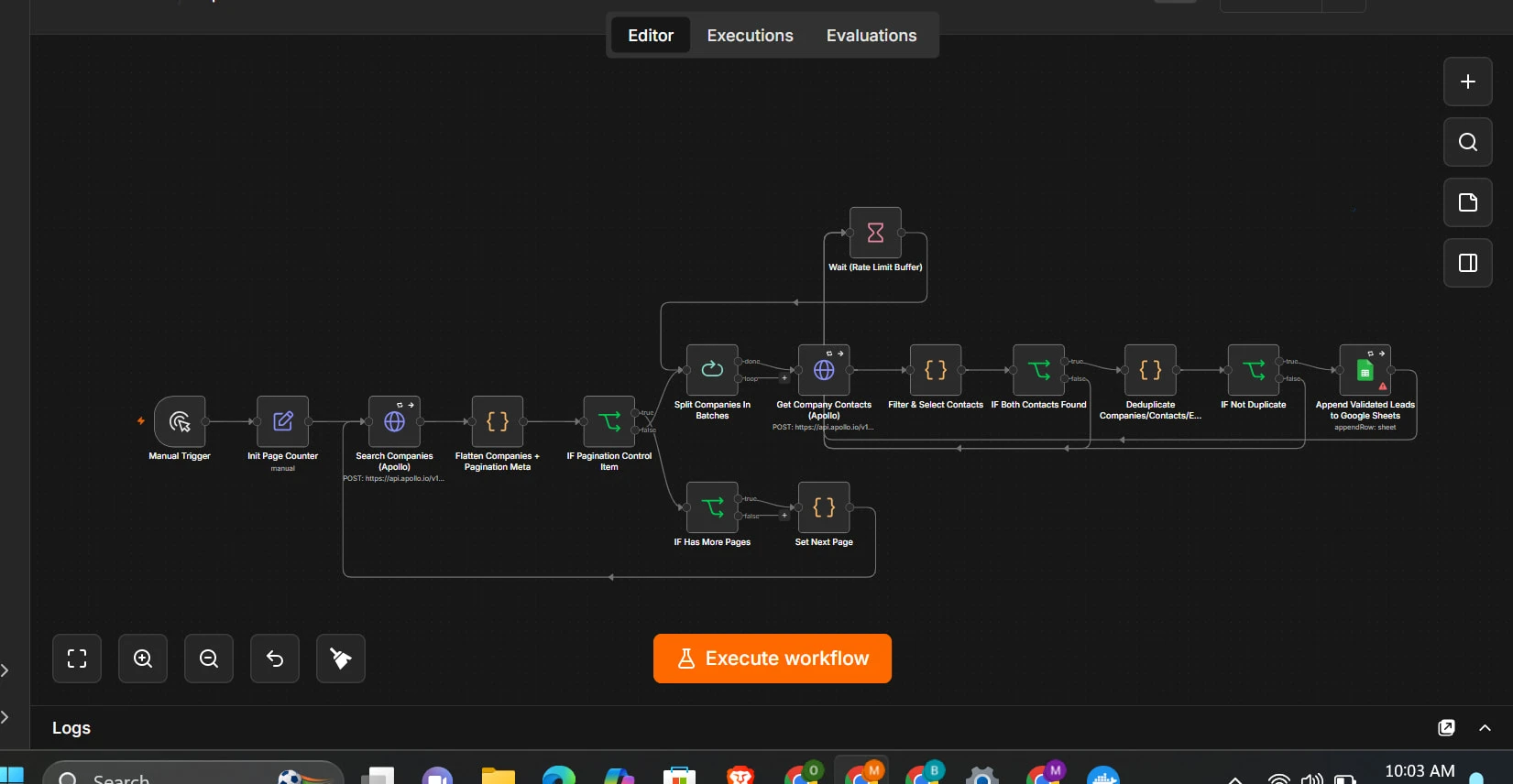
People enquire when they are ready to decide. That window is short. If your reply arrives after it closes, the quality of the reply is irrelevant. Most businesses do not have a follow-up problem because they are careless. They have one because replying instantly, every time, is not something a human can reliably do while also doing the work.
The window where an enquiry is still actively deciding
When automated follow-up runs, including while you sleep
Leads that go cold because someone forgot to follow up
This is rarely a discipline problem. You are in a session, on a call, or doing the actual work you were hired for. The enquiry sits in an inbox.
By the time you get to it, the person has moved on and you never find out why.
The enquiry came in during a client call. You replied four hours later. They had already booked someone who answered in four minutes.
Most conversions happen after several touches. Almost everyone gives up after one, which means the majority of leads are abandoned early.
Conversations scattered across email, WhatsApp, and DMs with nothing connected. Details get forgotten and people fall through.
Every reminder, invoice, and check-in requires you to remember and act. That works until you are busy, which is exactly when leads arrive.
Most coaches end up with a designer for the logo, a developer for the site, someone else for the course, and nobody connecting any of it. Here is how we do it instead.
Before building anything, we trace what currently occurs from first enquiry to booked client, including where people drop.
The highest-impact change is almost always the first reply. We make it immediate and make it useful.
Most people are not ready the first time. Automated sequences keep the conversation alive without you remembering.
Automation that nobody maintains slowly breaks. We keep it working and improve it as patterns emerge.
Done badly, yes. Done properly, the automation handles acknowledgment, scheduling, and reminders, and you handle the actual conversation. The client experiences a business that responds immediately, not one that sounds like a machine.
Whatever fits your existing setup. We do not force a platform migration to suit ourselves. If your current tools can do the job, we build on them.
Depends on the tier. One custom workflow per month on the mid tier, up to three on the highest, plus the core follow-up automation included with both.
Then we start with the essentials, which is instant response and follow-up sequences. A CRM can come later once you can see what you actually need it to do.
Pricing is public, no calls required to find out. See what it costs.
Stop stitching together separate vendors. See how it works when design and growth are built together